- (+91) 9901502879
- sump&tankcleaning@gmail.com



Underground Water Tank Cleaning
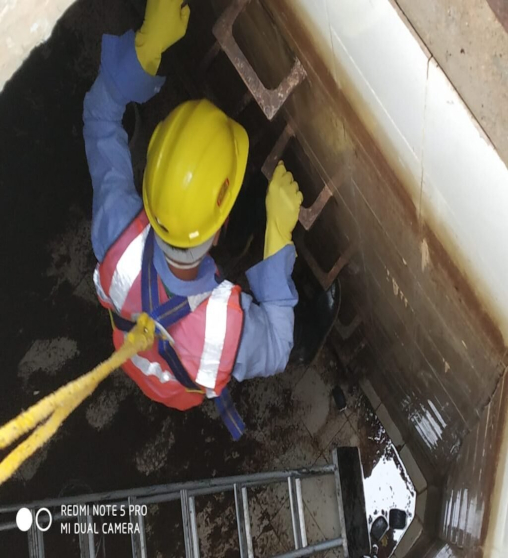
Cleaning an underground water tank is a process aimed at removing accumulated sediment, debris, and contaminants from the interior surfaces of the tank. Underground water tanks are commonly used for storing water in various settings, including residential, commercial, and industrial areas.
Cleaning these tanks is crucial to ensure the quality of stored water and maintain the overall functionality of the tank.
Cleaning an underground water tank is essential for ensuring the safety and quality of stored water. Regular maintenance and cleaning help prevent waterborne diseases, maintain water quality, and prolong the lifespan of the tank.
Six-Month Underground Water Tank Cleaning:
Performing underground water tank cleaning every six months is a proactive approach to maintaining water quality and ensuring the longevity of the water storage system. Here's a guideline for a six-month underground water tank cleaning:
- Isolate the Tank:
- Drain the Tank:
- Remove Sediment and Debris:
- Scrubbing the Interior Surfaces:
- High-Pressure Water Jet (if applicable):
One-Year Underground Water Tank Cleaning:
Performing underground water tank cleaning annually is essential for maintaining water quality and ensuring the longevity of the water storage system. Here's a guideline for a one-year underground water tank cleaning:
- Isolate the Tank:
- Drain the Tank:
- Remove Sediment and Debris:
- Scrubbing the Interior Surfaces:
- High-Pressure Water Jet (if applicable):
Our Services Include:
Thorough Draining:
Disconnect the tank from the water supply and use efficient pumping equipment to completely drain the tank.
Debris and Sediment Removal:
Professional removal of accumulated debris, sediment, and sludge from the tank's interior.
Debris Removal:
Application of safe and effective disinfectants to eliminate bacteria, viruses, and other pathogens.
Comprehensive Scrubbing:
Utilization of specialized brushes and equipment for thorough scrubbing of all interior surfaces, including hard-to-reach areas.
High-Pressure Water Jet Cleaning (if applicable):
Application of high-pressure water jets for effective cleaning of walls and floor surfaces, ensuring the removal of stubborn dirt and contaminants.
Disinfection Process:
Application of a potent disinfectant solution to eliminate bacteria, viruses, and other microorganisms present in the tank.
Benefits of the Service
Cleaning an underground water tank provides several important benefits, contributing to the overall health, safety, and efficiency of the water supply system. Here are key advantages of regular underground water tank cleaning
- Water Quality Assurance:
- Prevention of Waterborne Diseases:
- Optimal Water Flow:
- Extended Lifespan of the Tank:
- Reduction of Contamination Risks:
- Efficient Water Distribution:
- Prevention of Odor and Taste Issues:
- Cost Savings:
- Emergency Preparedness:
- Enhanced Aesthetics:
.jpeg)